Green light for new Scenic Rim Integrated Transport Plan
Published on 06 May 2026
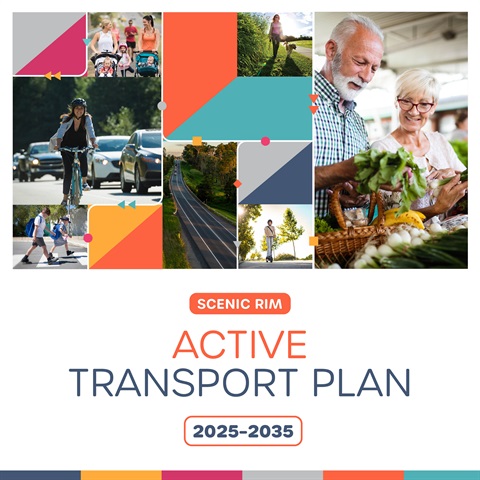
A plan to improve road and active transport networks across the Scenic Rim was endorsed at last week's Ordinary Meeting of Scenic Rim Regional Council.
Community feedback helped shape the Integrated Transport Plan (ITP), which includes an Active Transport Plan for walking and cycling and a Road Network Plan to guide strategic decision-making and infrastructure funding for the region.
Scenic Rim’s Transport and Infrastructure Portfolio Councillor Duncan McInnes said the ITP had been developed in response to the projected increase in the Scenic Rim’s population to over 75,000 by 2041.
"Council is pleased to give the green light to this plan,” he said.
“The Scenic Rim is experiencing continued population growth and this will help us meet the needs of residents and visitors well into the future.”
The plan represents an important milestone for the Scenic Rim, providing the foundation for an integrated transport network to better connect communities across the region.
It will provide Council with the strategic potential to make improvements to the local transport network and a solid technical foundation for engaging with other levels of government to improve the Scenic Rim’s transport outcomes.
Since 2024, extensive engagement had been undertaken with Council stakeholders and the wider community to ensure current and future needs were met within the ITP.
"An integral part of the project is engaging with the community to identify the unique characteristics of the Scenic Rim, reinforce findings from technical assessments and assist in prioritising works based on what is most important to each community," Cr McInnes said.
Council's Director Infrastructure Services, James Ruprai, said "the ITP was developed to enhance the efficiency, safety and sustainability of our transport networks with reviews of the local roads, walking and cycling networks undertaken around the region's 10 key towns and villages.
It takes into account forecast population growth, employment patterns and tourism growth and its potential impacts to the transport network. Both tourism and agriculture are the mainstays of our local economy and rely on quality infrastructure.
The ITP will determine the road safety, built standard and capacity upgrades required, including high level cost estimates and prioritisation, to address existing issues and manage expected growth. The primary objective is to create an efficient and cost-effective road network that seamlessly caters to the needs of commuters and freight transport.”
Council also manages an extensive network of footpaths, cycle tracks, and trails. However, challenges exist around asset width, missing links and necessary upgrades.
“This integrated plan will provide the framework to address these issues, potentially expanding these networks to accommodate a variety of active transport modes, ensuring they are accessible, comfortable and safe,” Cr McInnes said.
The Walking Network Plans for the Integrated Transport Plan are 50 per cent funded by the Department of Transport and Main Roads Queensland as part of the Walking Local Government Grant Scheme.